CAPE Phase 3 Is Live: Are You Still Owed IEEPA Refunds?
October 19, 2026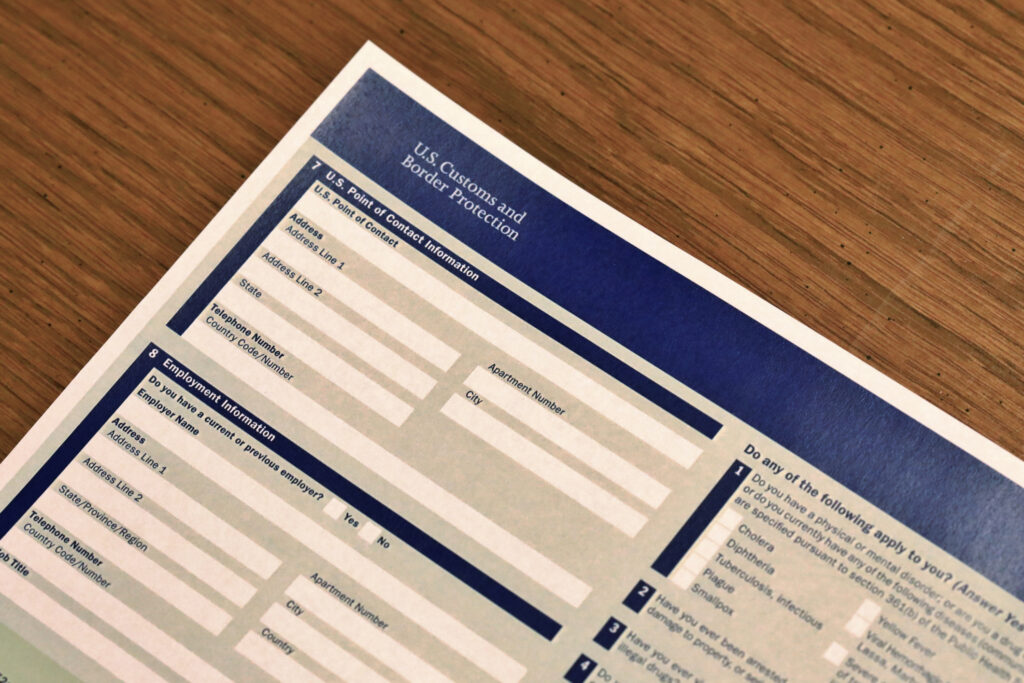
A CF-28 is not a routine request. When U.S. Customs and Border Protection issues a CBP Form 28—a Request for Information—it means CBP wants clear proof of your goods’ origin, how they were made, and whether the origin declared on your entry is accurate. The clock starts immediately. You have 30 calendar days to respond thoroughly.
What you send back — or fail to send — determines what happens next.
Why CBP Is Asking
CF-28 activity is increasing. Two specific enforcement areas are driving much of that scrutiny right now: country-of-origin verification and illegal transshipment.
Country of origin and substantial transformation. CBP evaluates whether processing in an intermediate country actually changed the merchandise’s name, character, or use. Simple repackaging, minor sorting, or basic assembly does not confer a new country of origin. If your goods moved through a third country but weren’t meaningfully transformed there, the original manufacturing country remains the country of origin — and your entry needs to reflect that accurately.
Transshipment evasion. CBP actively targets goods routed through third countries to avoid tariffs — for example, goods manufactured in China but shipped through Vietnam or another country to circumvent applicable duties. Red flags include illogical transit routes, missing commercial rationale, and mismatched export-import volumes between countries.
Expanding visibility requirements. Under the September 2026 Supply Chain Visibility ANPRM (Docket No. USCBP-2026-1058), CBP is moving toward requiring foreign export declarations, foreign tax IDs, and direct supplier documentation to detect dual invoicing and false origin claims. The documentation bar is rising — and it’s rising now, not at some future date.
What CBP Wants to See
When a CF-28 arrives related to country of origin or transshipment, CBP typically wants documentation that traces the product’s full manufacturing history —not just the final shipping point.
That can include bills of materials showing every component and its origin; supplier invoices and packing lists from the country of manufacture; foreign export documentation your supplier filed with their home-country customs authority; production records and manufacturing-step documentation; and evidence of substantial transformation if processing occurred in an intermediate country.
If that documentation doesn’t exist — or can’t be located quickly — the response will be incomplete. An incomplete response leads to a CF-29 Notice of Action. A CF-29 can mean higher duties, cargo holds, or more serious enforcement consequences.
How to Build a Supply Chain You Can Defend
The importers best positioned to respond to a CF-28 are the ones who built their supply chain documentation before CBP asked — not after.
Map your supply chain beyond the final shipper. Know where every significant component originates and where meaningful manufacturing steps occur. The shipping point and the country of origin are not always the same.
Collect foreign export records proactively. Secure copies of the export documentation, commercial invoices, and packing lists that your foreign supplier filed with their home-country customs authority. Under current and emerging CBP guidance, this documentation is increasingly expected — not optional.
Build contractual safeguards with suppliers. Bind suppliers to provide accurate origin data, notify you immediately of sub-tier sourcing changes, and accept financial liability for misrepresentation. If a supplier’s origin changes and you don’t know about it, the compliance exposure is yours.
Respond completely and on time. A CF-28 must be answered within 30 calendar days. Partial answers, vague responses, or silence all carry consequences. Organize your response, complete it, and coordinate with your customs broker before submission.
How Western Overseas Helps
Knowing your supply chain well enough to defend it under CBP scrutiny requires more than good recordkeeping. It requires a customs broker who understands what CBP looks for—and can help you identify gaps before enforcement finds them first.
At Western Overseas, we work with importers to review origin documentation, assess supply chain exposure, and prepare accurate, organized, and complete CF-28 responses. When a notice arrives, we help translate the request into plain English and coordinate the documentation needed to respond with confidence.
Risk containment is built into every shipment — from classification to clearance to post-entry follow-up. That’s how we operate as a partner, not a transactional vendor.
If your supply chain documentation isn’t ready for a CF-28 today, contact Western Overseas. Let’s make sure it is before CBP asks.